Track 09GDG Brooklyn
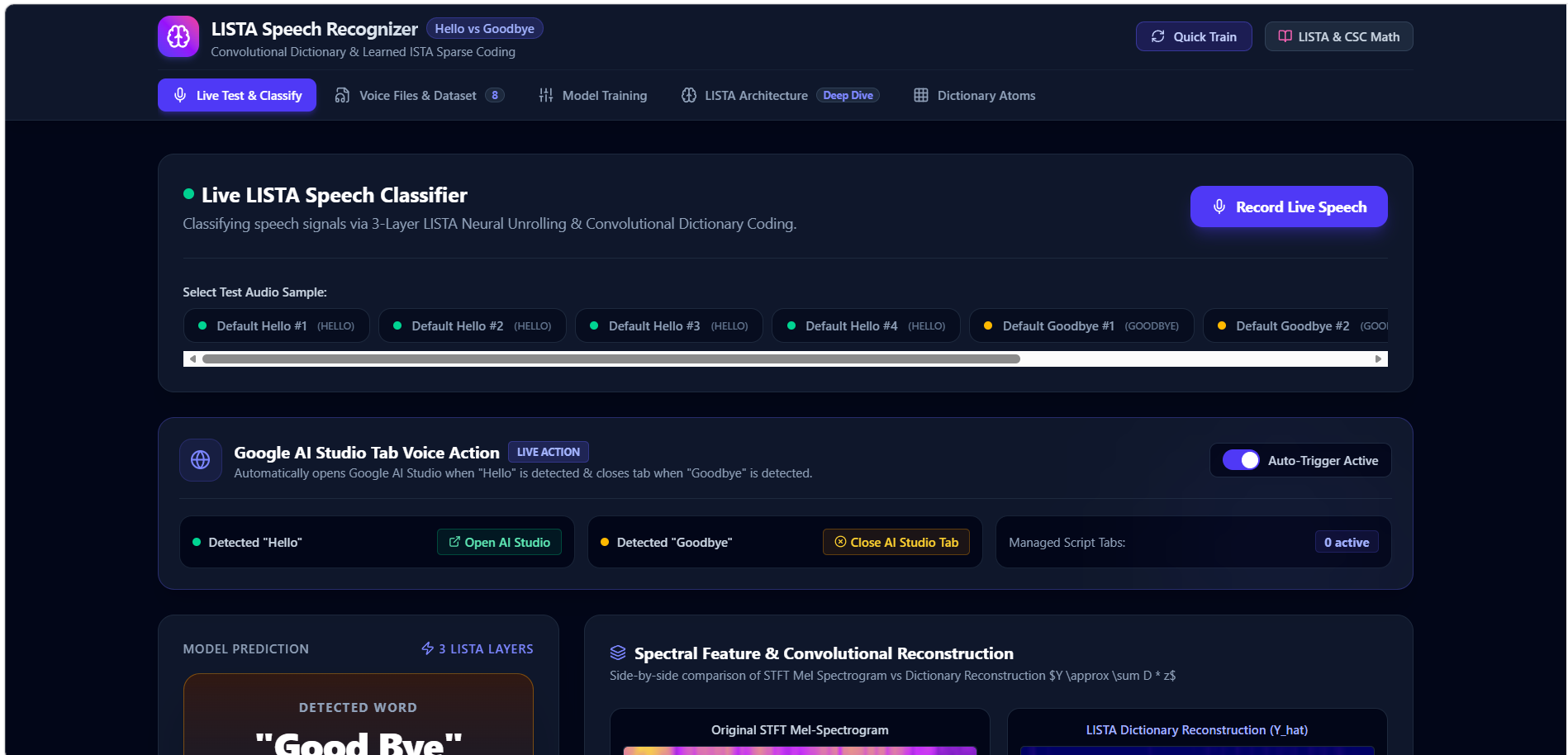
LISTA Speech Recognizer

By training the keywords independently to automatically access the Google AI Studio webpage.
“Recently, I have been working on a project related to smart home, so I chose a similar direction.”
Real builds from real GDG chapters. Two hours, one pizza, one prototype. Search by name, narrow to a GDG group or a date range — or scroll until something makes you want to fork it.
By training the keywords independently to automatically access the Google AI Studio webpage.
“Recently, I have been working on a project related to smart home, so I chose a similar direction.”
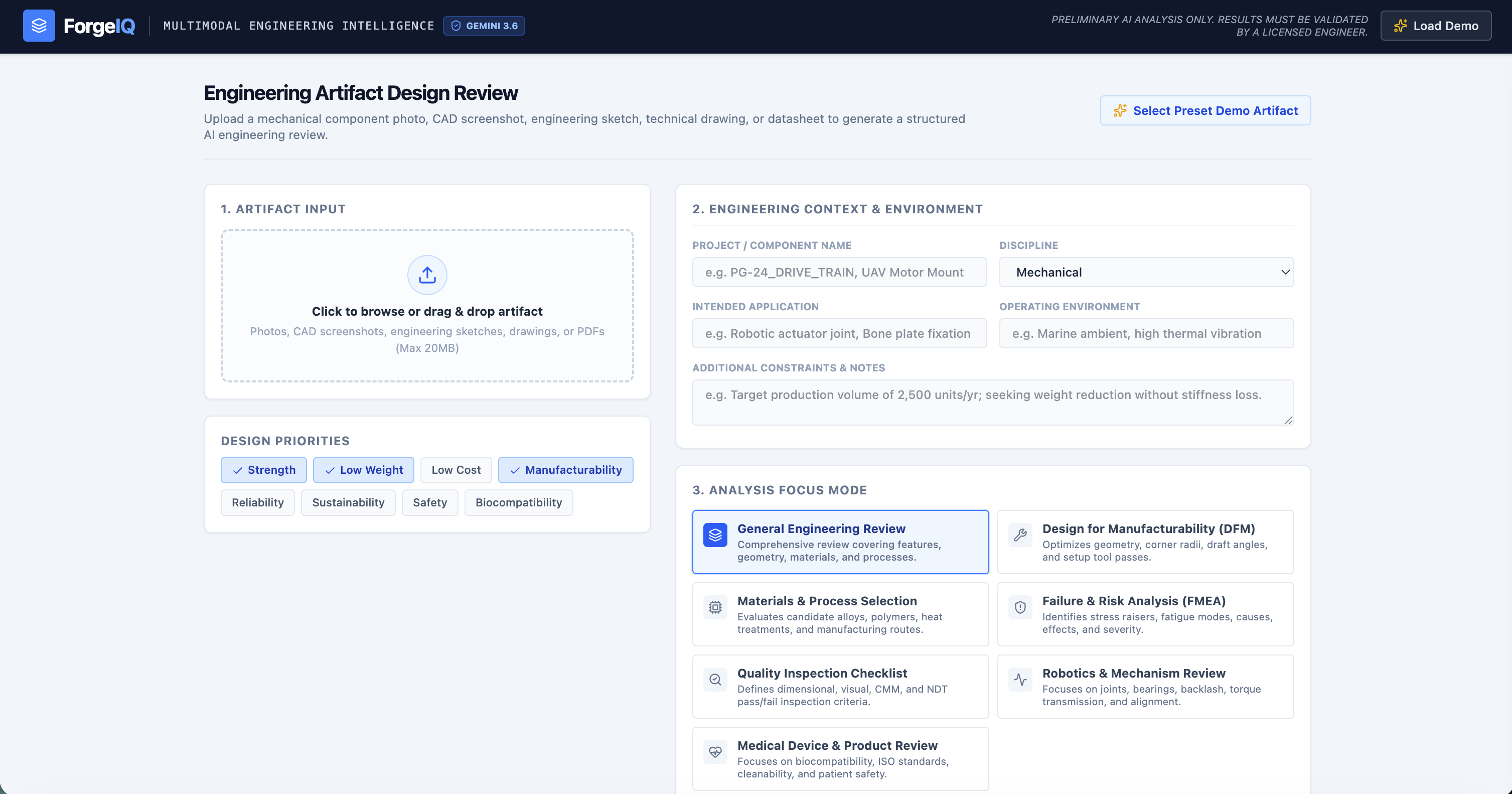
ForgeIQ is a multimodal engineering intelligence platform powered by Gemini that analyzes technical drawings and component images. Users upload engineering artifacts and receive structured AI-assisted reviews including design analysis, manufacturability (DFM), material recommendations, preliminary FMEA, quality inspection checklists, and prioritized engineering recommendations. ForgeIQ helps engineers evaluate designs faster while keeping the human engineer in the decision loop.
“I was surprised by how much structured engineering insight Gemini could generate from a single technical drawing. The biggest challenge was designing prompts that produced engineering-focused analyses rather than generic image descriptions.”

Scout is an AI apartment-hunting agent for NYC renters. It turns plain-English preferences into listing searches, ranks and enriches the matches, and organizes next steps in one map-first tracker. It can also draft broker outreach so renters can move quickly while staying in control of what gets sent.
“I expected the AI to be most useful for writing messages, but its biggest value was translating messy human preferences into precise search filters. Once Scout understood requests like “a no-fee two-bedroom under $5,000,” the rest of the workflow became dramatically simpler.”
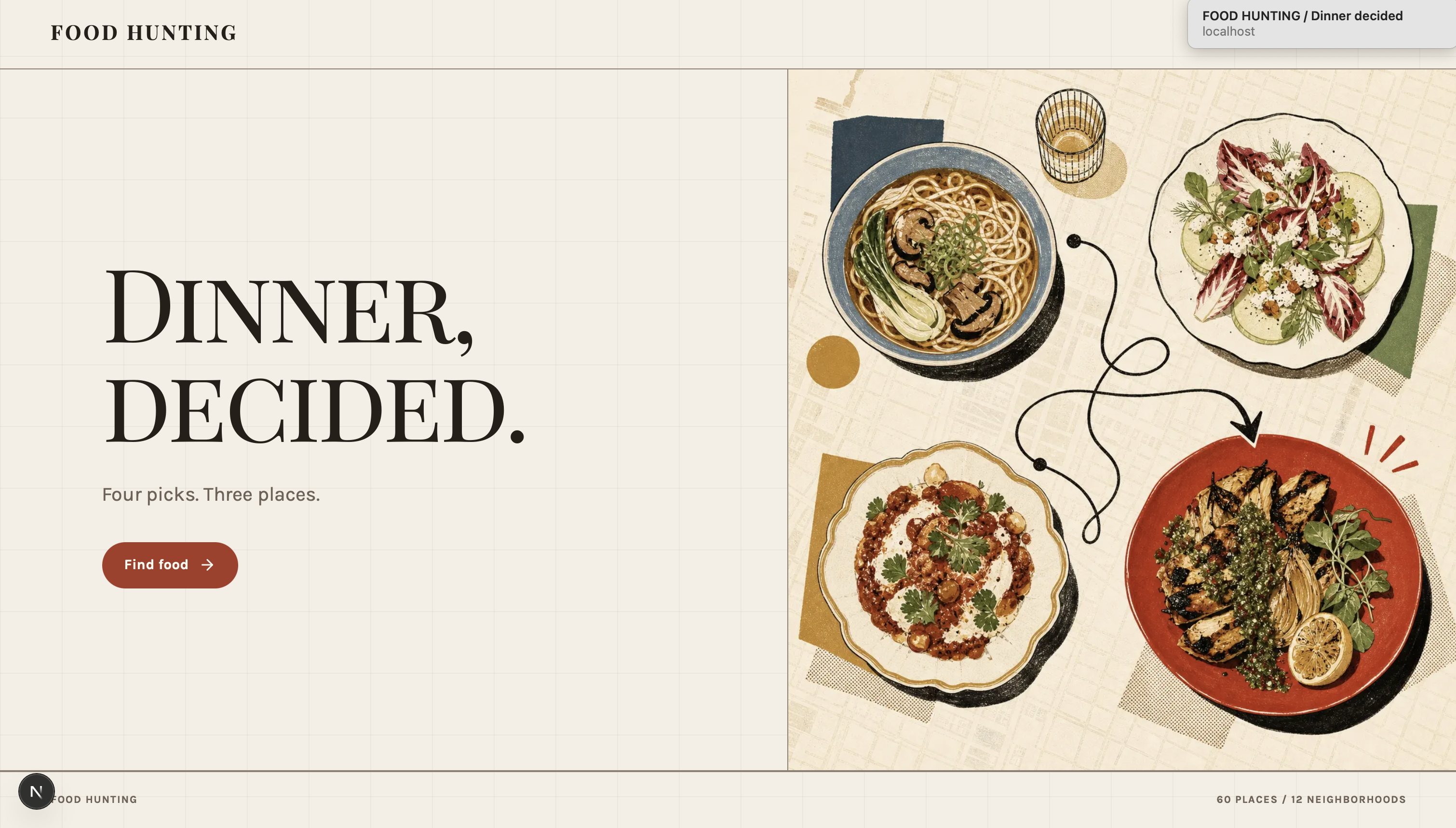
Food Hunt allows you to pick your food when you don't know what to eat for lunch/dinner. The website will prompt you to enter basic information such as your address, the radius of the website, and your budget. Then it will ask you select the kind of food that you want right now.
“It was a very tough project to do within a short amount of time. But we managed to finish on time”
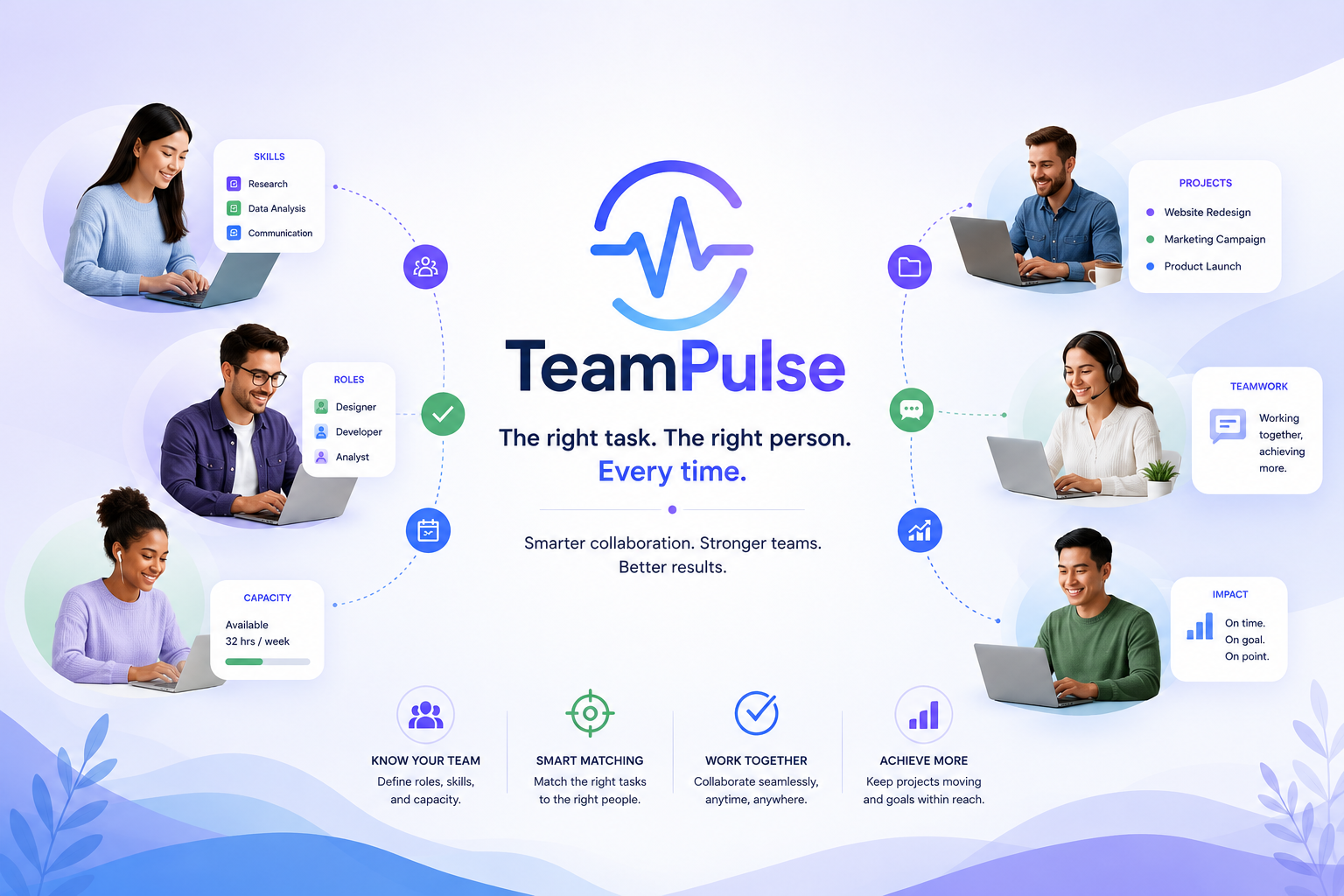
TeamPulse streamlines team collaboration by automatically assigning tasks to the most suitable team members. It allows teams to define each member's role, skills, and weekly availability, then intelligently matches unassigned tasks based on expertise and capacity. This helps teams, especially large or remote ones, delegate work more efficiently and complete projects more effectively.
“What surprised me most during development was how seamlessly role-based AI task delegation transforms project planning. Rather than just assigning tasks randomly, evaluating member skills, weekly capacity hours, and target deadlines using Gemini AI produces surprisingly nuanced, practical workload recommendations.”
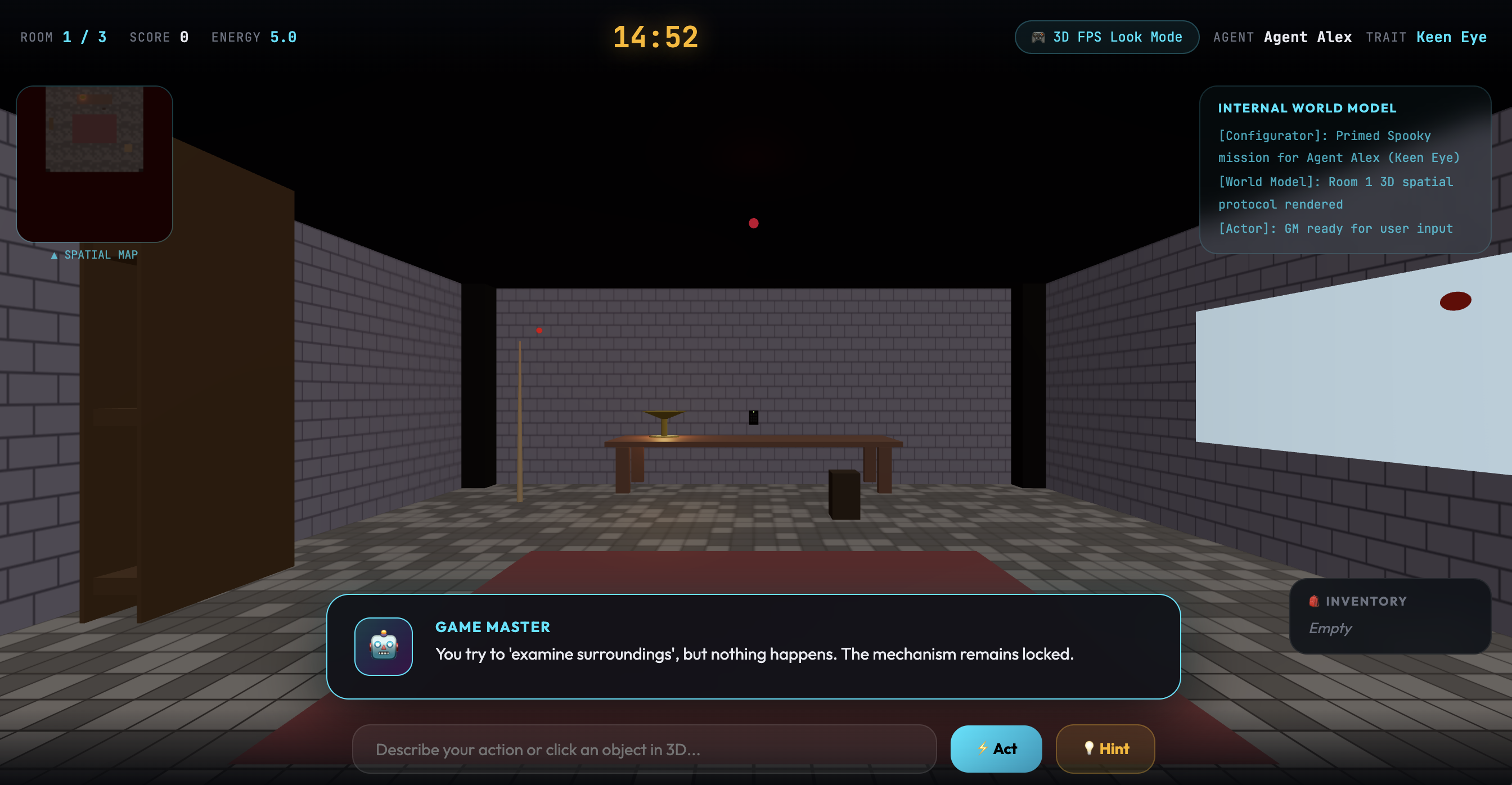
This project is an Autonomous AI Escape Room Engine that leverages Yann LeCun’s JEPA architecture and Gemini 2.5 Flash to create procedurally generated 3D games. It utilizes a multi-agent framework where specialized modules like the Configurator and World Model collaborate to simulate the physics and logic of your environment. Players select unique themes and scenarios which the engine then transforms into an interactive, real-time 3D world using the Three.js library. The system moves beyond sim
“Mapping Yann LeCun’s JEPA paper directly to game master mechanics revealed that modular brain agents (Configurator, World Model, Critic, Actor) naturally eliminate AI hallucinations by simulating spatial physics before narrative generation. We were surprised by how seamlessly an LLM orchestrator could generate real-time 3D spatial JSON protocols while maintaining strict object permanence across ga”
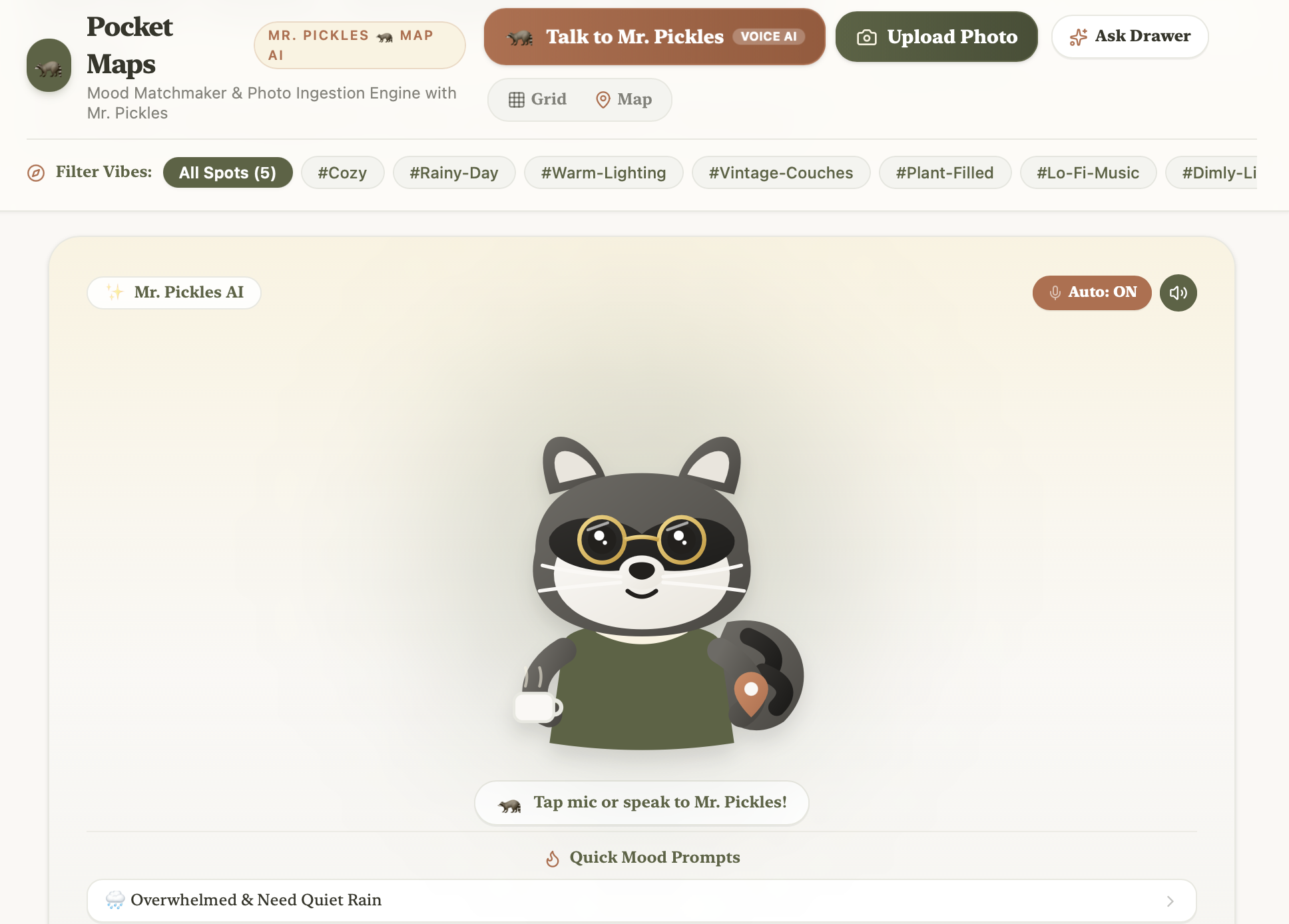
Pocket Map is a mood-driven location discovery app where users snap and pin cozy hidden gems to a shared map. Guided by Pickles, an empathetic AI raccoon companion, users describe how they feel—and Pickles analyzes community photos to match their exact vibe with the perfect local sanctuary.
“We are really surprised by the capabilities and speed of Google AI Studio.”
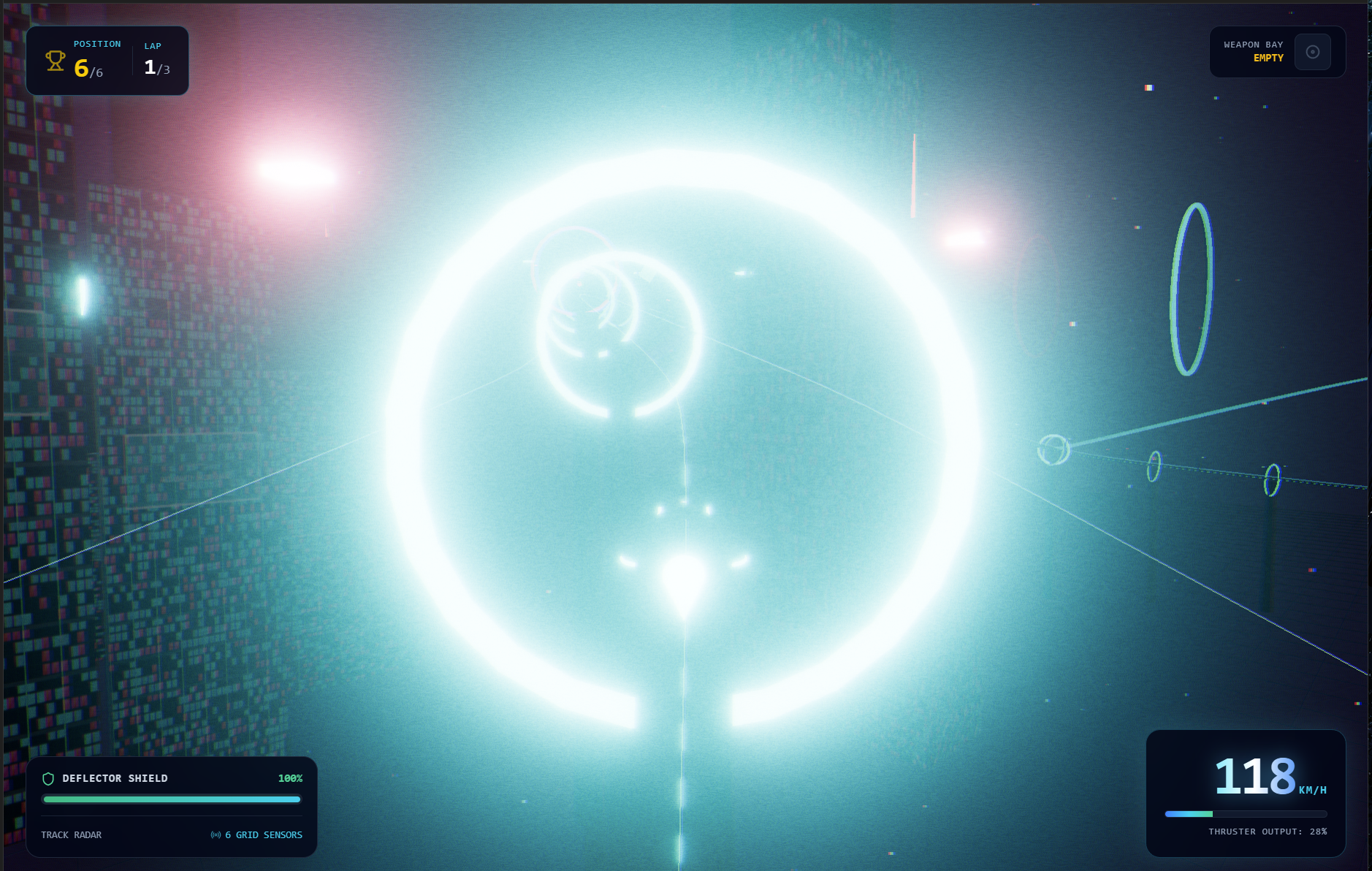
The project involved creating an immersive 3D racing game set in a captivating sci-fi universe. Players find themselves in a futuristic landscape filled with neon-lit cityscapes and breathtaking alien terrains.
“Google Pro is an advanced and versatile modeling tool that allows users to quickly prototype and craft immersive 3D environments. With its intuitive interface and robust features, you can seamlessly bring your creative visions to life, transforming ideas into vibrant digital landscapes almost instantly.”
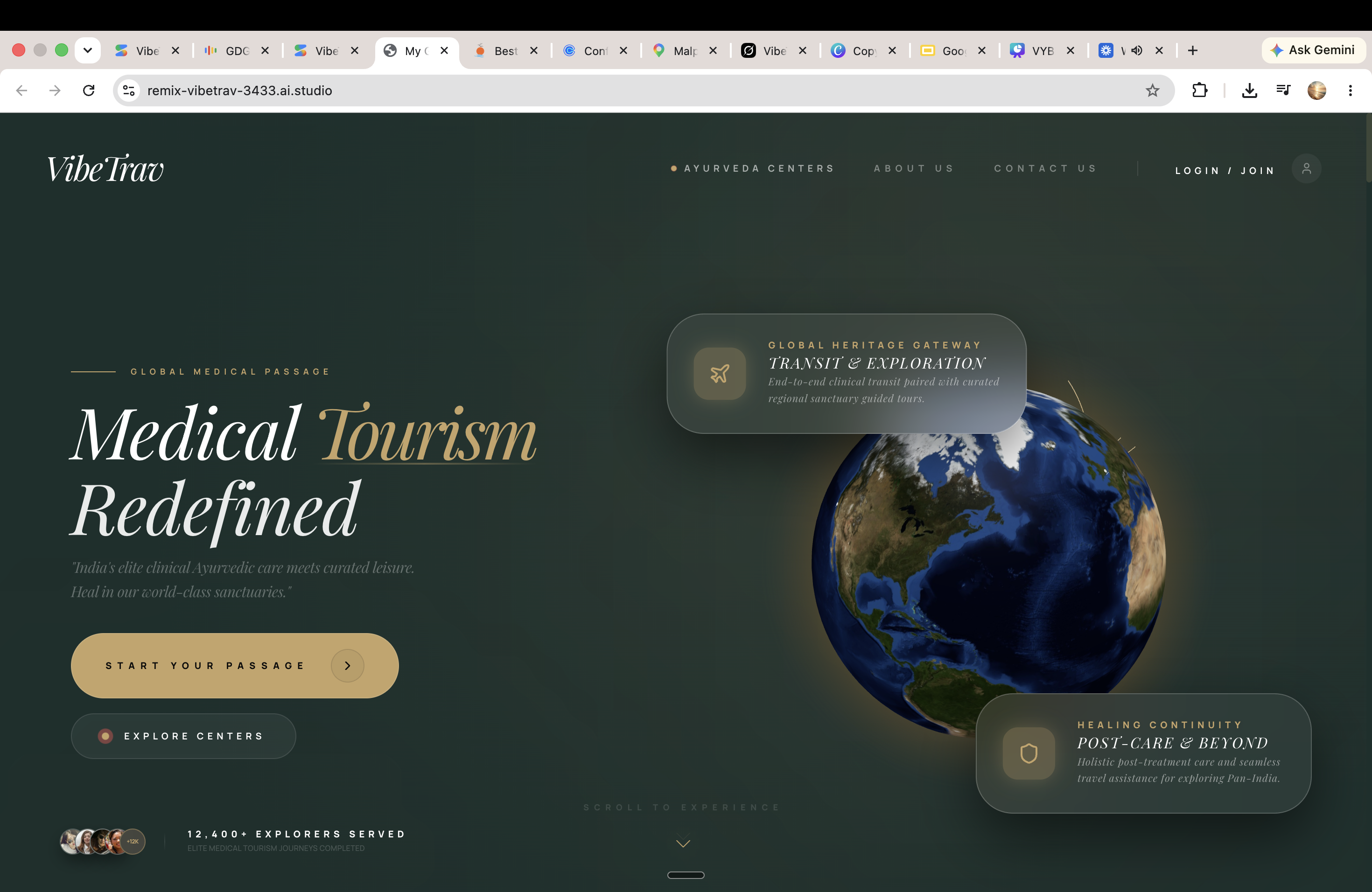
VibeTrav is a medical tourism platform that helps people discover and plan authentic healthcare journeys, with a dedicated focus on Ayurveda. The new Ayurveda Centers feature lets users explore highly recommended treatment centers first, then browse a wider directory with powerful filters by location, treatment type, and budget. It is designed for international patients seeking trusted, high-quality Ayurvedic care without the usual research overwhelm.
“What surprised me most was how strongly users wanted a clear separation between “highly recommended” centers and the broader list. Prioritizing quality over quantity proved more important than simply showing a large number of options.”
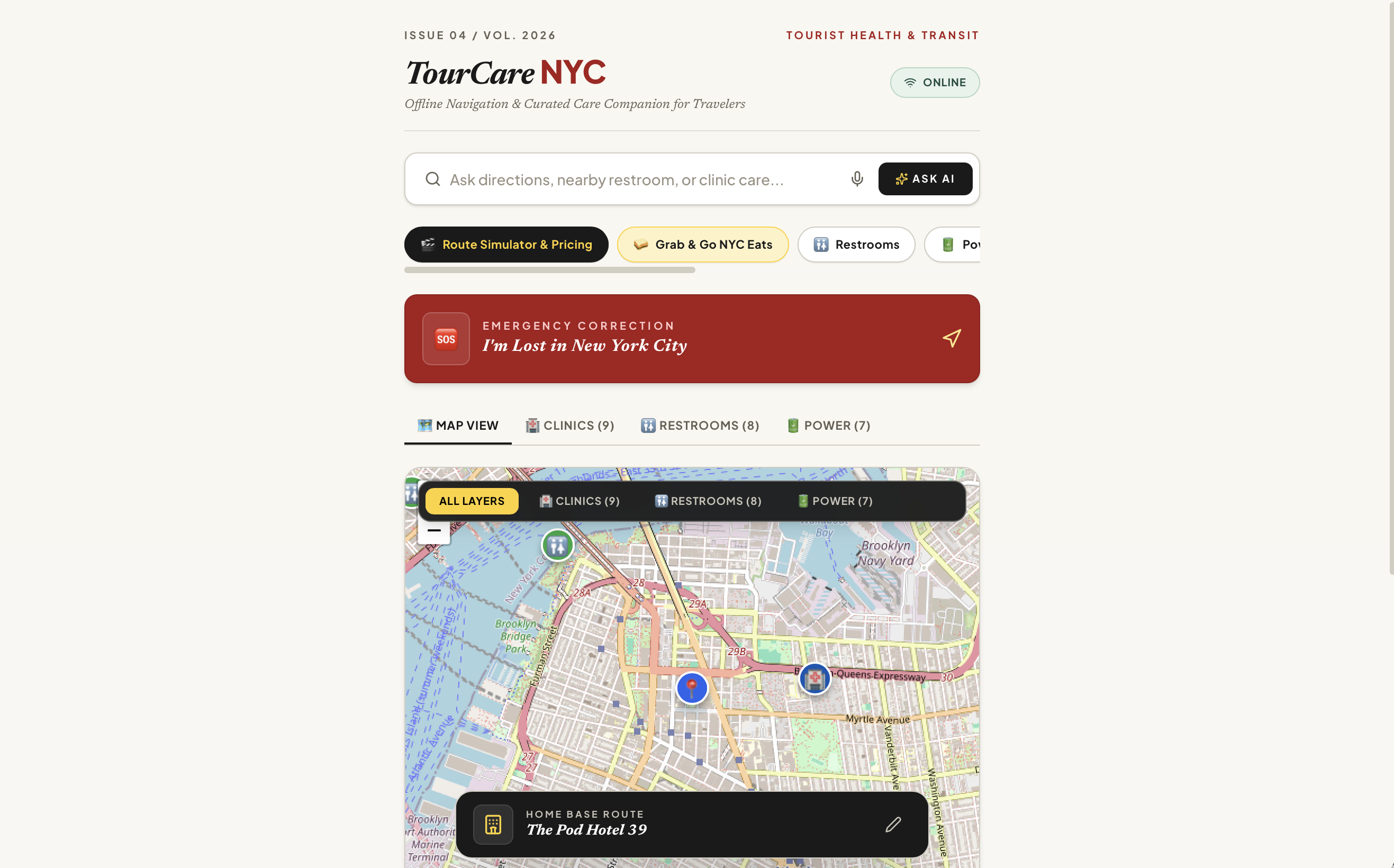
TourCare NYC is an AI-powered travel assistant designed to help visitors and residents explore New York City through personalized, real-time recommendations. The solution combines conversational AI, location-aware intelligence, and personalized itinerary generation to create a seamless travel experience. Users can ask natural language questions such as: "What are the best family-friendly attractions near me?" "Plan a half-day itinerary in Manhattan." "Suggest accessible attractions within 30 m
“Team work, AI capabilities, Real word problem”
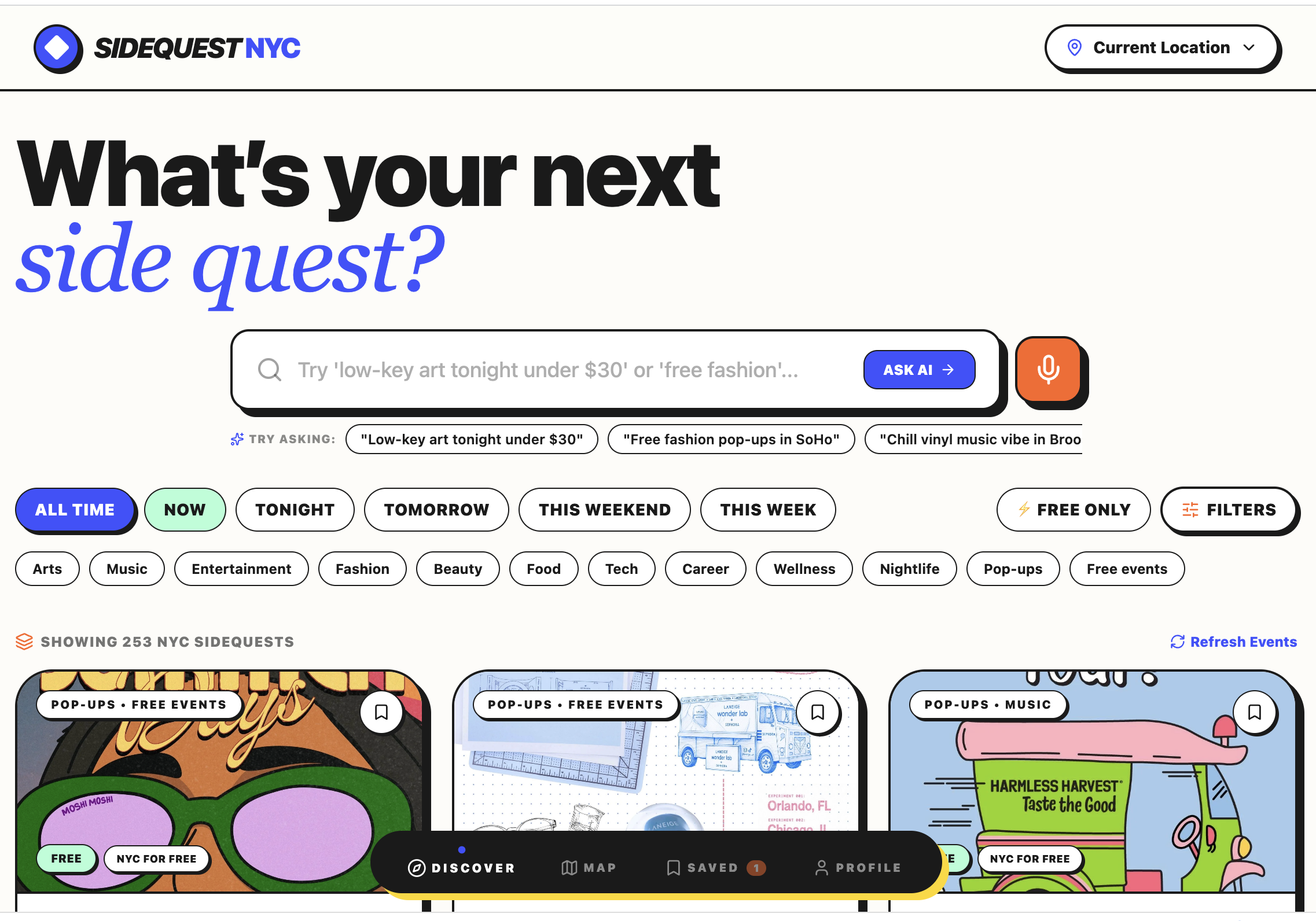
SideQuest NYC is a personalized event discovery app for people who want spontaneous, local things to do without digging through dozens of websites. Users can search by voice or filters like interest, budget, location, and vibe to find nearby events happening now or in the next few days. The cool part is that it understands requests like “find something low-key and not too crowded” and turns them into tailored recommendations.
“One of the biggest challenges was accurately scraping event locations and times from multiple websites, since each source formatted its data differently. Normalizing inconsistent dates, addresses, and missing information made it difficult to produce reliable real-time recommendations.”
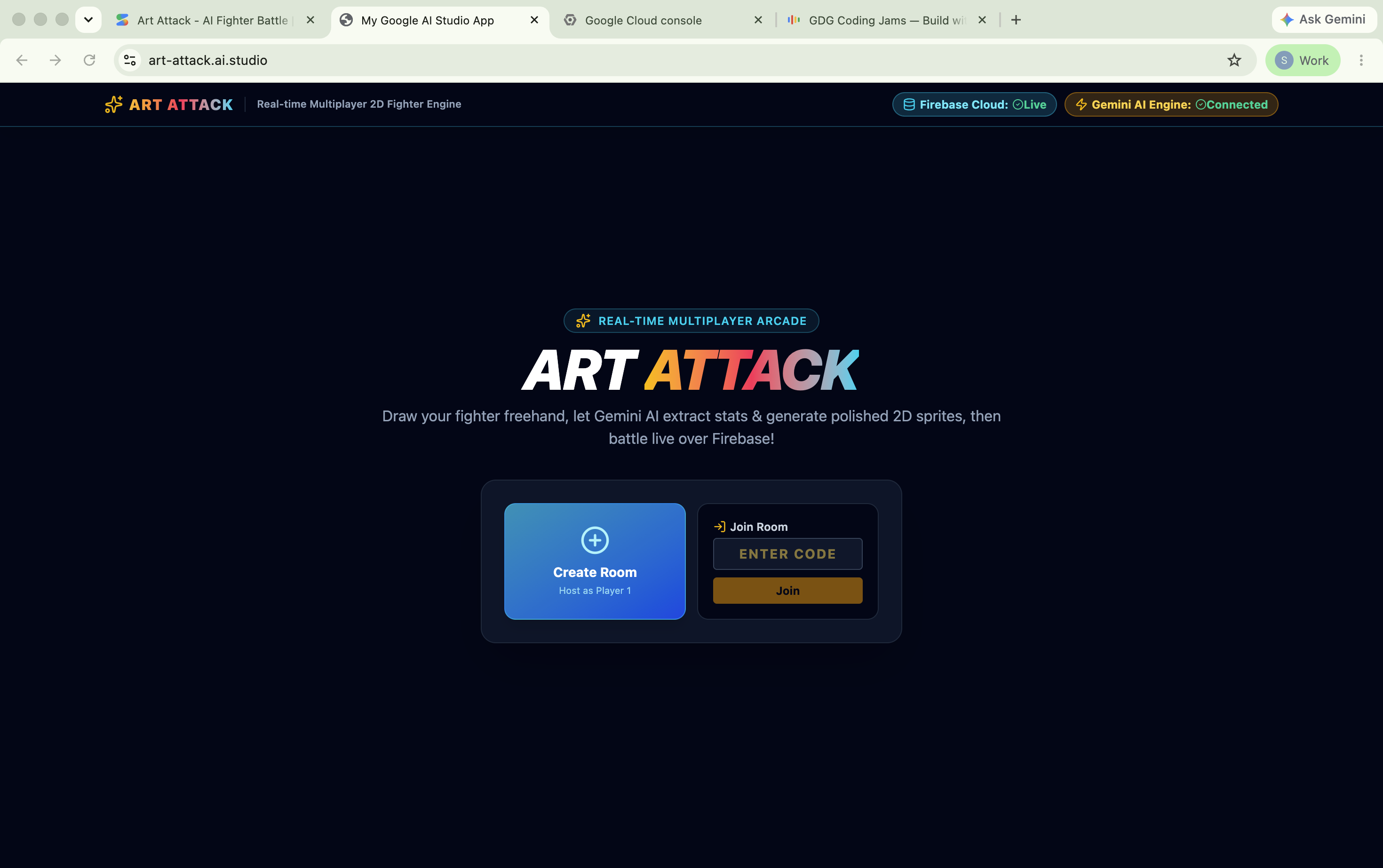
Art Attack is a real-time two-player fighting game where each player draws their own character, then AI turns the sketch into a fighter with stats, abilities, a sprite, and an arena theme. Players can join from another device, lock in their characters, watch the battle intro, and fight live in the same arena. The cool part is that every match begins with something completely original that the players created themselves.
“I was surprised by how many small real-time state changes have to stay perfectly synced for the experience to feel seamless. A single missed update after character lock-in could prevent the entire match from reaching the battlefield, which made reliable multiplayer flow just as important as the AI character generation.”


